Geely Geometry C and Panda Mini: Choosing an Urban Fleet EV
The Geometry C and Panda Mini should be tested on different entries in a dispatch book. A lower-cost city car saves money only on jobs it can complete; extra capacity has value only when someone pays for it.
Classify jobs before choosing the urban fleet mix
Take a week of bookings and assign each to the lowest-cost vehicle that can complete it. Count bookings left unserved, then price outsourcing those jobs. Compare that cost with the additional monthly cost of the larger vehicle. This tests the value of capacity without assuming every kilometre produces revenue.
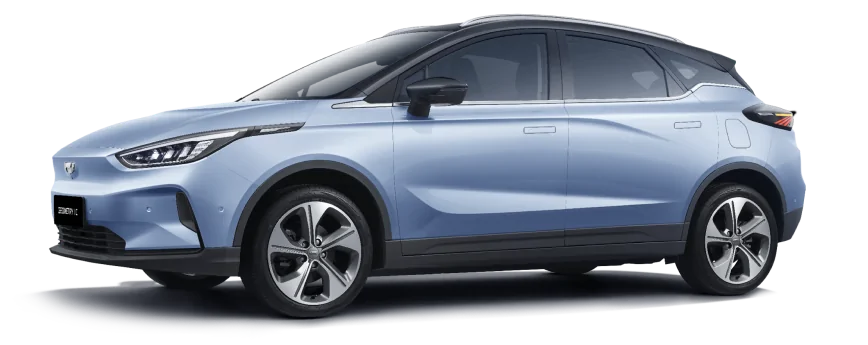
| Route class | Test with the operator | What disqualifies the car |
|---|---|---|
| Short depot loop | Load normal equipment and complete consecutive stops | Cannot recharge before the next dispatch |
| Passenger transfer | Seat the usual passengers with luggage on board | A paid job needs a second vehicle |
| Mixed urban duty | Repeat the busiest day with a normal reserve | A missed stop triggers an overtime or subcontract charge |
Apply the test to a sample order
Use one route sheet for each fleet duty. Count passengers, usable cargo space, daily distance and the longest gap between available charge points. Check the actual Panda Mini trim for the charging method available at the depot. Assign the Geometry C to a pilot route where its extra capacity earns revenue.
Illustrative calculation. Suppose the larger vehicle costs $2,400 more but can take two extra $6 passenger jobs on 20 days each month. That is $240 extra monthly revenue and a ten-month recovery before extra costs. If additional operating cost is $60 per month, recovery extends to about 13.3 months.
Map a real duty cycle
Group journeys by passengers, load, distance and overnight parking. Identify the longest day rather than the average day. A depot serving field technicians may value space for tools; a campus shuttle may value tight turning and short charging stops.
Check charging and reserve capacity
Time the available depot connection at the hours vehicles actually return. Include simultaneous charging, driver changeovers and one charger unavailable. Confirm inlet type and permitted charging methods for the exact unit; test with the depot’s hardware.
Measure utilisation before expanding
Compare completed jobs per vehicle-day, energy cost per job and time spent waiting for a larger support vehicle. Keep a record of lost work caused by size or range. This evidence is a better basis for procurement growth than a general claim of surging demand.
Before releasing the order
Verify the actual charging hardware on each Panda Mini offer and the depot equipment available to that shift. For the Geometry C, check the intended route fully loaded. Keep separate acceptance records so a successful trial of one model cannot release the other.
Further reading · Geely
Request a multi-model quote